• Home
  • Features
    • Multi DropDown
      • DropDown 1
      • DropDown 2
      • DropDown 3
    • ShortCodes
    • Sitemap
    • Error Page
  • Documentation
    • Web
    • Video
  • Download This Template

Search This Blog

Powered by Blogger.

Blog Archive

  • March 2024 (1)
  • February 2024 (2)
  • January 2024 (3)

Report Abuse

  • Trang chủ

About Me

Mini Mushroom
View my complete profile

How to Register for a Full-Data Rakuten SIM Online

  If you're considering buying a full-data SIM but don’t have much time to visit a store, Min will guide you through a convenient online...

MinIu Vivu

 If you're considering buying a full-data SIM but don’t have much time to visit a store, Min will guide you through a convenient online registration process as follows:

I. Documents to prepare:

  • A valid residence card.
  • A debit/credit card or a bank account.

II. Registration steps:

Step 1: Access Rakuten Mobile

Go to the Rakuten Mobile homepage via the link below and click on お申し込み (Apply)


Step 2: Select a SIM plan

Click on プランを選択する (Select a plan).

Next, if you need unlimited calling, you can register for the additional package that offers free calls under 15 minutes, costing an extra 1,100 yen per month. If you don’t need it, select 加入しない (Do not join)


Next are other additional packages like security, international calling, etc. If you don’t need them, you can skip by not selecting any options and scroll to the bottom.

The next step is to choose either a physical SIM or an eSIM. Here, the admin selects a physical SIM and clicks on この内容で申し込む (Apply with this information) to proceed.


Step 3: Log into your Rakuten account and verify your identity documents

For those who don’t have a Rakuten account yet, register using the link below.

https://a.r10.to/hkTB6P

Identity verification

Double-check the information of the person registering the SIM to ensure that the details match the identity documents being uploaded.

Select the option "書類画像をアップロードで確認" (Verify by uploading document images).

Scroll down and select to upload a photo of your residence card (在留カード) and either take a direct photo or upload images of both sides of the residence card.

Then click on 次へ進む (Proceed to the next step).


Step 4: Choose the type of registration—new application or number porting.

If you want to switch carriers but keep your current phone number, click on 他社から電話番号そのままで乗換 (Transfer from another carrier with the same phone number).

For those who want to register a completely new number, you can select 新規電話番号を取得 (Obtain a new phone number).

If you want to register a new number and choose a specific desirable number (the last four digits), you can select 選べる電話番号サービス (Selectable phone number service), with a fee of 1,100 yen for choosing a number.

Here, to save costs, the admin selects the new registration option without choosing a specific number.

Click 次へ (Next) to proceed.

Step 5: Confirm the SIM delivery address and payment method

Double-check the SIM delivery address once more and select the payment method for the monthly charges.


In the プランのお支払い (Plan Payment) section, there are three payment methods:

  1. Payment with your own credit card: 新しいカードを利用 (Use a new card) (in your name).
  2. Payment with someone else's credit card (spouse): 新しいカードを利用 (Use a new card) (in someone else's name).
  3. For those without a credit card, you can choose to have monthly payments deducted from a bank account: 口座振替 (Account transfer).

Here, the admin selects to have the monthly payments deducted from a personal bank account, specifically from Yucho Bank.

Step 6: Enter account information

After making your selection, a screen will appear directing you to the account section. Click on the bank account you want to use for deductions; here, the admin selects ゆうちょ銀行 (Yucho Bank) (web application), and then clicks on 金融機関へ (To the financial institution).

Click on 同意事項 (Agreement Terms), then the button 同意する (Agree) will appear. Click on it to agree to the terms of use when registering for the SIM.

Enter account information

  1. Enter the three middle digits of the 記号 (symbol) on the bank card, then click 進む (Proceed) to continue.
Next, enter the following information in order: your bank account number, your date of birth (for example, if you were born on December 15, 1990, you would enter 19901215), and the phone number you used to register your Yucho account.
Click 進む (Proceed) to continue.
  1. Similarly, the next screen will display the account information you have entered. Press 進む (Proceed) to continue.
    The bank will send a verification code to your phone in two ways: via SMS or a phone call. Select SMS, then press 進む (Proceed) to continue.

  2. On the next page, enter the verification code you just received and press 進む (Proceed).
    Next, enter the 4-digit password for your ATM card and press 進む (Proceed). The screen will move to the 申し込む (Apply) page where you confirm the content and simply press この内容で申し込む (Apply with this information).

  3. Next, check the boxes below to agree to the terms of use of Rakuten:
    上記内容を確認し、確認しました (I have confirmed the above information) —> 同意して申し込む (Agree and apply)
    Continue similarly by checking 上記内容を確認し、確認しました (I have confirmed the above information) —> 同意して申し込む (Agree and apply).
    Then check the box 位置情報と通信履歴の提供に同意します (I agree to provide location information and communication history).

  4. Finally, press 同意して申し込む (Agree and apply) to complete the Rakuten SIM registration.

After completing the registration, you will receive a notification email from Rakuten.

If your application is not rejected (due to bank account issues, card expiration, or any other reason), you will receive a notification that your SIM has been sent. After about 3-4 days (excluding weekends and holidays), you will receive the SIM.

Once you receive the SIM, follow the included instructions to set it up and you can start using it right away!

  • 0 Comments

From modern five-star hotels to traditional ryokan (Japanese-style inns), Japan offers a wide range of diverse accommodation options for travelers. These establishments skillfully combine beautiful design, modern comforts, and the famous Japanese hospitality, known as **omotenashi**.


The traditional ryokan experience—with tatami-matted rooms, relaxing hot springs, and elaborate kaiseki meals—has long been the standard for those wishing to immerse themselves in the authentic beauty of Japan. In recent years, areas that once lacked luxury accommodations have witnessed the emergence of modern, luxury-style ryokan, each offering its own unique charm. These new lodgings, designed to celebrate the beauty of local landscapes and the richness of nature, have made these travel destinations increasingly attractive and sought after.

Located in the city of Niseko, Shiguchi is like a special sanctuary featuring beautifully renovated kominka (traditional Japanese farmhouses). These homes, originally built 150 years ago by traditional carpenters, now form the foundation of five luxurious villas, each embodying traditional Japanese architecture. Within the walls of these homes, guests are immersed in a blend of ceramics, ink paintings, and both ancient and modern sculptures, all part of the personal collection of Shouya Grigg, the resort's creative director and founder. A stay at Shiguchi offers guests an experience akin to resting in a museum or art gallery, where the essence of hospitality merges seamlessly with a deep connection to art, tradition, and the cultural heritage of the country.


The cultural fusion at Shiguchi is also reflected in the restaurant and art center, Sozoma, where guests can embark on a refined cultural and culinary journey. This includes the experience of a traditional Japanese tea ceremony in a modern tea room, as well as activities such as flower arranging, art photography, exploring the wilderness, and enjoying exceptional wellness treatments.


The continuous presence of artworks in the villas, along with the natural beauty of the surrounding landscape, creates an environment that is both peaceful and inspiring. Surrounded by rich nature with no high-rise buildings in sight, Shiguchi invites guests to reconnect with the vast outdoors and rediscover themselves.

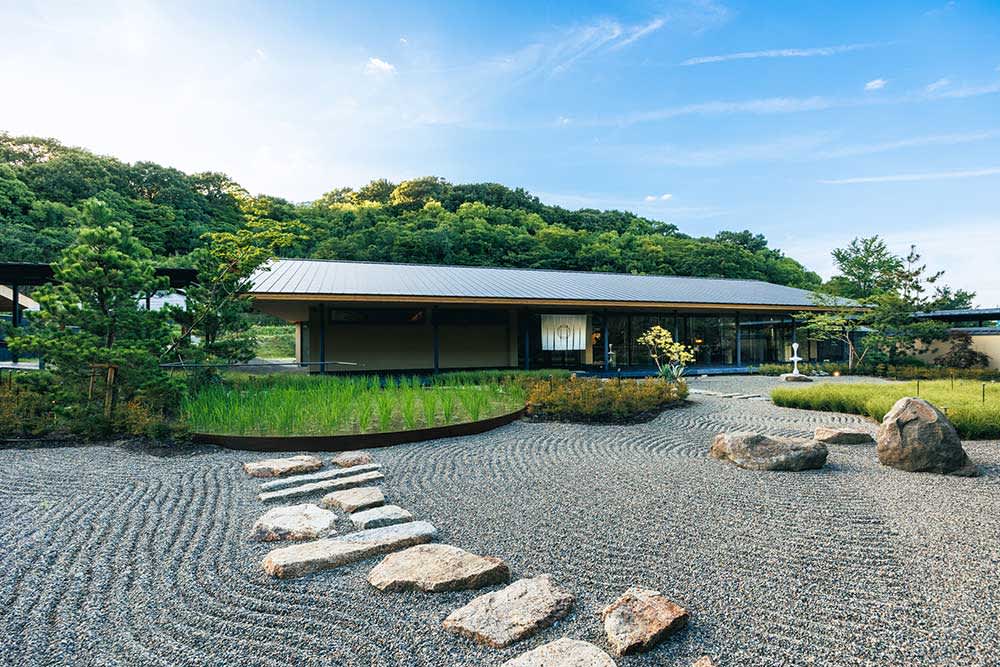
Roka Naoshima offers a more elevated experience than a traditional ryokan by blending modern design, art, and architecture, all set against the backdrop of the Seto Inland Sea. Naoshima Island has long been renowned for its vibrant art scene, and Roka continues this legacy by creating a resort where nature and humanity coexist harmoniously. Each of the 11 rooms features an outdoor bath and unique decorative pieces, giving each space its own distinct identity. The garden at Roka is a modern take on the traditional Kare-san-sui (dry rock garden), interspersed with contemporary sculptures amidst lush greenery.


Guests can also admire contemporary works by renowned artists such as Kohei Nawa, Shohei Yamamoto, Kohei Yamada, Daisuke Yokota, and other prominent figures in the tranquil setting of the resort. Additionally, to support emerging artists, their works are displayed in the guest rooms, allowing visitors to appreciate and even purchase the art.


One of Roka Naoshima’s most unique features is a cozy annex with an "irori"—a traditional Japanese sunken hearth—located along the walkway connecting the two main buildings. This space serves as a communal area for guests to gather and converse. Here, under a starlit sky, visitors can sip homemade **yakushu** (traditional herbal liquor), engage in discussions about art, and savor the peaceful passing of time on the island.

Cova Kakuda Hotel in Ise-Shima, Mie Prefecture, is a hidden gem that promises a range of unique, personalized experiences. Situated in a small cove along Ago Bay, not far from the famous Ise Grand Shrine, this all-inclusive resort offers a fresh approach to travel by immersing guests in local life. Once a pearl production facility run by Kakuda Pearls, Cova Kakuda seamlessly blends historical charm with modern luxury, featuring four beautifully designed villa-style rooms. The guiding spirit behind this transformation is the desire to maintain sustainable harmony between the marine ecosystem and the local community. This philosophy is rooted in the belief that the harmonious interaction between people and nature leads to the flourishing of the environment, enriching its resources and supporting the lives of those who live and work alongside the natural world.


Local staff enthusiastically share the beauty and unique aspects of the region, guiding guests through a variety of activities—from visiting the pearl production facility and kayaking adventures to romantic sunset cruises. With a strong focus on personalized care for each guest, it's no wonder that this hotel operates on a small and intimate scale. Guests can enjoy creatively crafted Japanese dishes prepared by a local chef, who is deeply familiar with the seasonal flavors that define the essence of the region. Perfect for those seeking a peaceful retreat and a diverse cultural experience, Cova Kakuda offers a wonderful opportunity for guests to connect with the local community, providing experiences that may change their perspective on travel and broaden their emotional and intellectual horizons.

Leading names in the luxury hotel industry have made their mark by skillfully blending the opulence of high-end accommodations, elements of Japanese culture, and the unique characteristics of their surroundings. The Ritz-Carlton, Nikko is a prime example of this harmonious fusion between modern luxury and authentic Japanese aesthetics. Located in Tochigi Prefecture, just a two-and-a-half-hour drive from Tokyo, the hotel is set amidst the stunning scenery of Lake Chuzenji and Mount Nantai in Nikko, a renowned hot spring destination surrounded by nature. The Ritz-Carlton, Nikko stands out as the brand’s first property to feature the unique amenity of hot springs within the hotel. Here, guests can enjoy spacious indoor and outdoor onsen baths, with mineral-rich water drawn directly from ancient hot springs discovered 1,200 years ago, offering a deeply relaxing experience that rejuvenates both body and spirit. In addition to the onsen experience, the hotel offers luxurious spa treatments delivered with meticulous care and professionalism.


Each of the 94 guest rooms and suites has its own private balcony inspired by traditional Japanese verandas, with floor-to-ceiling windows offering panoramic views of the surrounding mountains or lake. Inside, the rooms are elegantly decorated with Japanese elements, embracing a minimalist modern style. The hotel’s four restaurants and bars use the finest local ingredients, blending Japanese and Western cuisines with The Ritz-Carlton's signature afternoon tea and unique cocktails. Beyond the hotel, the area enriches guests' experiences with visits to UNESCO World Heritage temples and shrines, as well as a variety of outdoor spiritual and cultural activities available year-round.


Vivu together Min 

Book a tour with Min  Rakuten Travel 

Fly with Min Rakuten Travel

Purchase travel tickets with Min Rakuten Travel 

Choose a cozy stay with Min Rakuten  Travel

Rent a self-drive car with Min Rakuten Travel 

Cheap SIM from Rakuten Rakuten Mobile

  • 0 Comments

Have you experienced all the familiar tourist routes in Japan? Try exploring the Diamond Route, a unique journey that takes you to the distinctive beauty of the areas north of Tokyo. Located about 2.5 hours by train from Tokyo, this route passes through the Ibaraki, Fukushima, and Tochigi prefectures, where you can find attractions, experiences, and culinary delights that rival those of Tokyo, Kyoto, and Osaka.


The Diamond Route promises an exciting and surprising journey, featuring ancient castles, vibrant temples, historical sites, majestic nature, and unique cuisine. Don’t hesitate any longer; let’s start exploring the Diamond Route with JNTO right away!


Ibaraki Prefecture

Start your journey exploring the Diamond Route in Ibaraki Prefecture. Located in the northeastern part of the Kanto region, Ibaraki is about a two-hour train ride from Tokyo and is an attractive destination for travelers due to its unique blend of tradition and modernity.


Hitachi Seaside Park

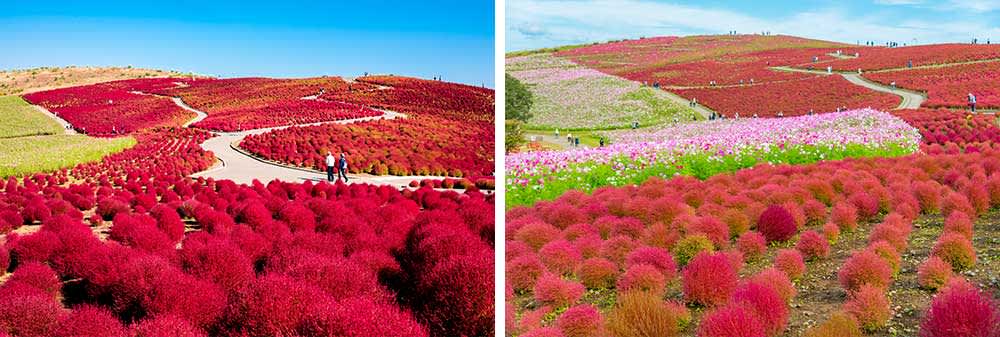
Situated along the Pacific coast in the city of Hitachinaka, Ibaraki Prefecture, Hitachi Seaside Park offers visitors unforgettable experiences with its stunning natural scenery and fresh atmosphere.

With a vast area of up to 350 hectares, the park is home to various types of flowers, creating vibrant flower carpets that stretch throughout the grounds. It is famous for captivating visitors' hearts with the bright blue of nemophila flowers in April and the pinkish-red of kochia grass in October...

Visiting during August, guests will be immersed in the bright yellow of the blooming sunflowers. Additionally, the park offers many exciting activities for all ages, including a camping area and BBQ facilities, providing enough options for visitors to spend a whole day enjoying and relaxing here.

​

Hitachi Seaside Park is an ideal spot for nature lovers who want to immerse themselves in the vibrant flower fields. Don’t forget to include this location in your itinerary when visiting Ibaraki Prefecture!


Kairakuen Garden

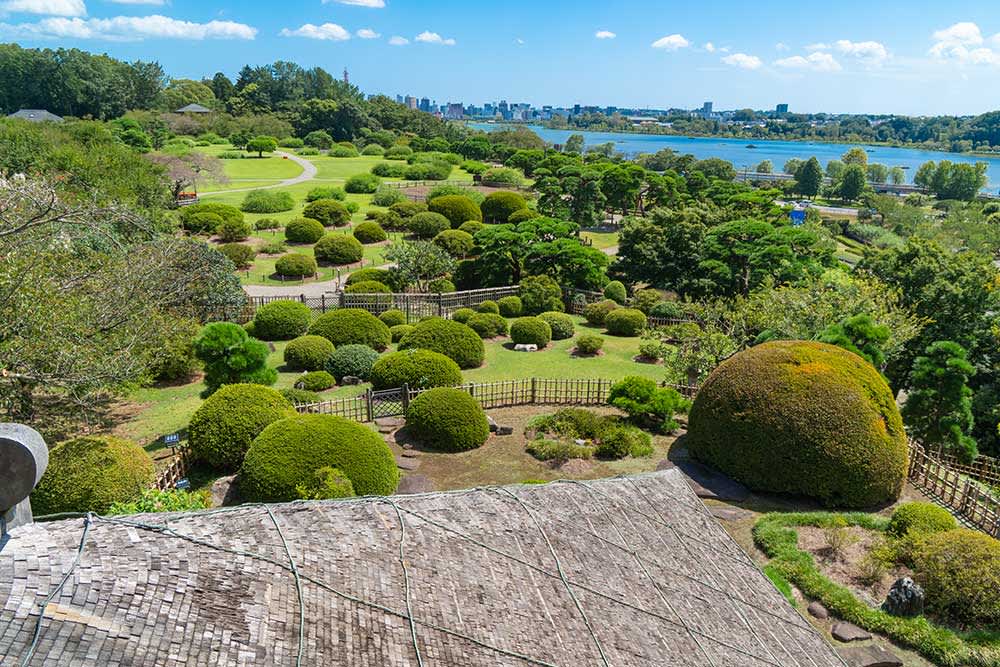
Established in 1842 in the city of Mito, Ibaraki Prefecture, Kairakuen Garden is one of Japan's three most famous Japanese gardens, alongside Kenrokuen in Ishikawa Prefecture and Korakuen in Okayama Prefecture.

Kairakuen Garden is elegantly designed, harmoniously combining natural landscapes with artificial architecture. It is famous for its vibrant spring season when more than 3,000 plum trees bloom, as well as the picturesque Senba Lake, dubbed the “Oasis of Mito,” where visitors can admire beautiful swans and various other water birds.

Strolling through the grounds, visitors will be overwhelmed by the picturesque ponds, meticulously crafted bonsai trees, and the vibrant flower gardens that bloom with seasonal colors. In particular, don’t forget to visit the historic tea house, Kobuntei, to enjoy some wonderful moments of relaxation.

​

Kairakuen Garden is not only an ideal destination for visitors to immerse themselves in nature, but it is also a place to learn about Japanese culture and traditional architecture.


Ushiku Daibutsu

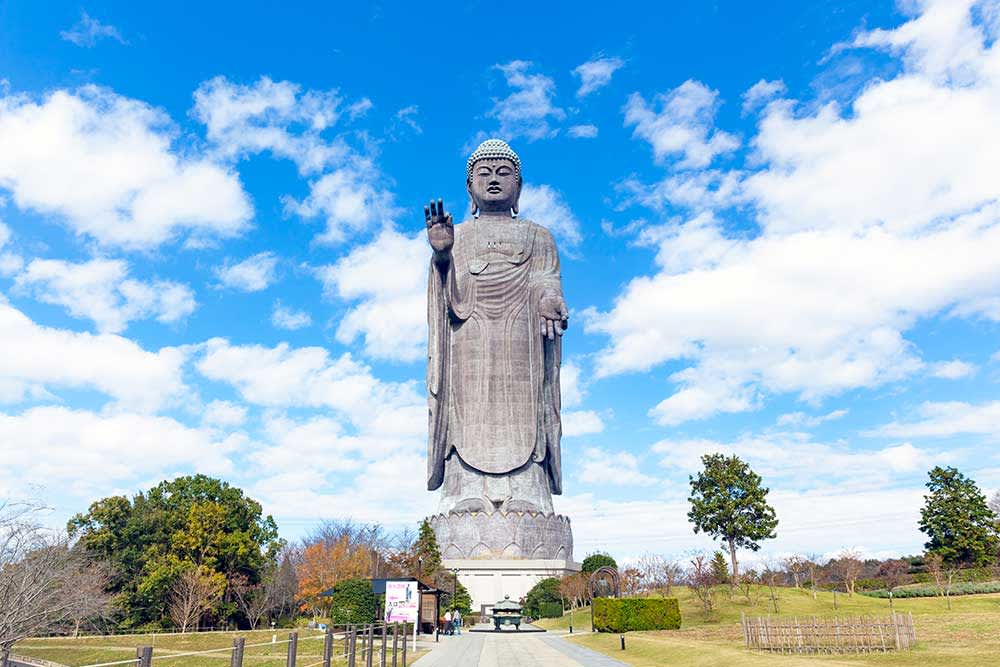
Constructed in 1993 in the city of Ushiku, the Ushiku Daibutsu stands tall as a spiritual symbol and a popular attraction in Ibaraki Prefecture. It is also one of the largest Buddha statues in the world, measuring 120 meters in height and weighing approximately 4,000 tons.

Upon entering the grounds, visitors will be impressed by the vast park at the base of the statue, featuring various flowers that change with the seasons, such as cherry blossoms, shibazakura, hydrangeas, and butterfly flowers. Not only can visitors admire this grand statue from the outside, but they can also explore the interior of the Buddha statue. Inside, the statue is divided into five levels, which visitors can access via stairs and elevators. They will have the opportunity to view artifacts and photographs documenting the construction of the statue, experiencing a majestic space displaying approximately 3,400 impressive golden Buddha statues. Additionally, visitors can climb to the observation deck inside to enjoy a panoramic view of the surrounding area.

The Ushiku Daibutsu is a must-visit destination for those who appreciate Japanese culture and spirituality, so don’t miss this location if you have the chance to visit Ibaraki Prefecture!


Fruit-Picking Experience

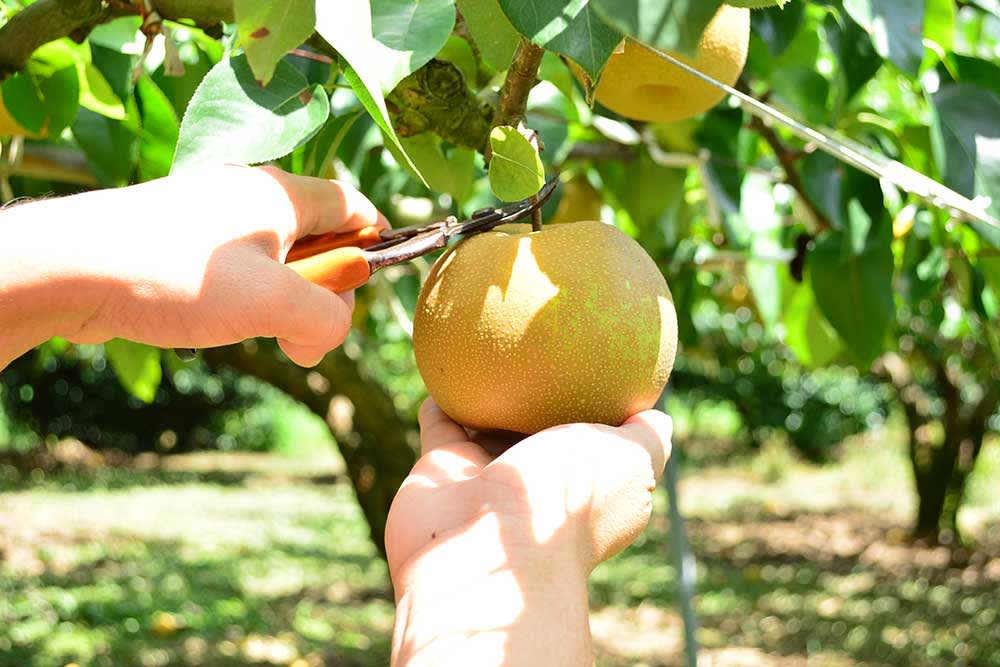
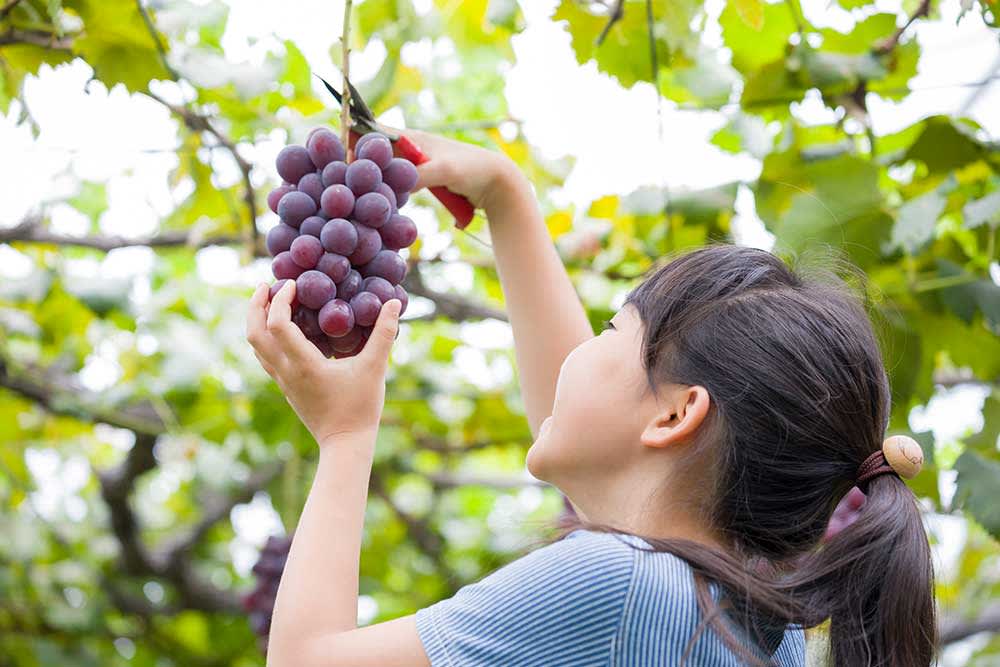
Ibaraki Prefecture is regarded as one of the top agricultural areas in Japan, boasting a mild climate and ideal soil conditions for a variety of delicious fruits to thrive. Summer in Ibaraki is the perfect time for visitors to experience picking and enjoying fresh fruits right from the orchard.

Famous for its juicy, sweet melons, Ibaraki Prefecture is a must-visit destination for fruit lovers. The melon harvest season runs from April to October, giving visitors the chance to enjoy the freshest melons. This region is also the third-largest producer of pears in the country, with the harvest taking place from July to the end of October, providing visitors with ripe and sweet pears.

In addition, the lush vineyards with plump, sweet grapes are another highlight not to be missed. Visitors can indulge in fresh grapes right in the vineyard and purchase some to take home as gifts. Ibaraki Prefecture also boasts a variety of other enticing fruits such as strawberries, blueberries, and chestnuts, which are diverse and abundant throughout the year.

Summer fruit-picking in Ibaraki is an enjoyable and rewarding experience, so be sure not to miss this activity when you visit!


Savoring Hitachi Beef

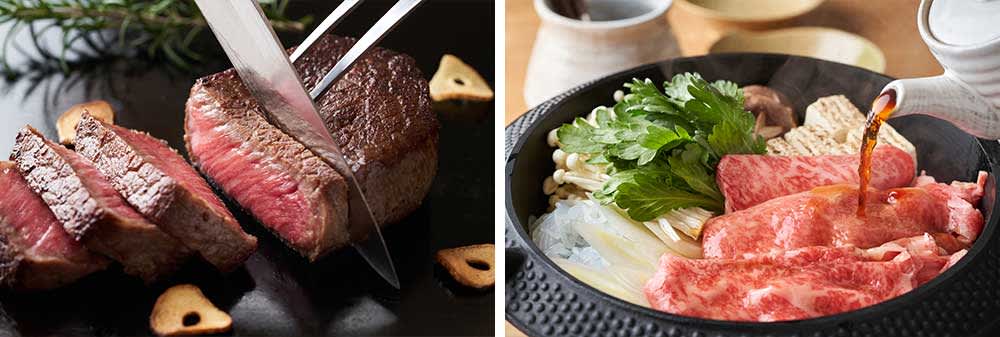
Hitachi beef is a renowned wagyu beef brand from Ibaraki Prefecture. Carefully selected from the rare black-haired cattle, it features beautiful marbling and achieves a perfect balance between meat and fat. The tender texture and rich flavor provide a melt-in-your-mouth experience, with a natural sweetness and a delicate aroma.

Hitachi beef can be prepared in various dishes, such as stone-grilled, teppan-yaki (grilled on a flat iron plate), shabu-shabu (hot pot), or sukiyaki. Each cooking method offers a different flavor and culinary experience, catering to individual preferences and tastes. No matter how it is prepared, the meat retains its distinctive flavor and tenderness.

Hitachi beef is not only a delicious dish but also an essence of the culinary art of Ibaraki Prefecture. Enjoying Hitachi beef allows you to fully experience the elegance and sophistication of Japanese cuisine.


Fukushima Prefecture

The journey continues to Fukushima Prefecture, renowned for its stunning natural landscapes, robust ancient castles, samurai culture, and long-standing traditional crafts, which are sure to leave a lasting impression on many visitors.


Ouchi-juku Village

Nestled in the southwestern mountainous region of Fukushima Prefecture, Ouchi-juku Village was once a bustling post town during the Edo period (1603-1868) and has been carefully preserved as a village that seems to have stepped out of a painting.

Source: Fukushima Prefecture


The village is characterized by thatched-roof houses that are over 300 years old, where numerous souvenir shops, local restaurants, and traditional minshuku inns are always ready to serve visitors. Notably, along both sides of the walkway are small canals that carry water, creating a picturesque and tranquil scene.


 Source: Fukushima Prefecture


When visiting here, don’t forget to try local specialties such as negi soba noodles at the restaurants in the area, or seasonal fruits and naturally chilled carbonated drinks cooled under refreshing streams.


Tsuruga Castle

Tsuruga Castle, also known as the White Crane Castle, is located in the center of Aizu-Wakamatsu City, Fukushima Prefecture. This ancient castle was destroyed in 1874 and was rebuilt in 1965. By 2011, the roof was completely re-tiled with unique red tiles, recreating the appearance of the castle at the end of the Edo period (1603–1868).

 Source: Fukushima Prefecture


The area surrounding the castle is Tsuruga Castle Park, with lush green canopies that change with the four seasons, creating a beautiful natural landscape. Inside the castle is a museum that showcases the historical scenery of ancient Aizu and the lives and spirit of the courageous samurai warriors.


Source: Fukushima Prefecture


Additionally, Tsuruga Castle is the venue for the Aizu Festival—one of the city’s largest events, held every September and attracting many visitors as well as local residents.


Ebisu Circuit

Source: Fukushima Prefecture


The Ebisu Circuit is located in the northern part of Fukushima Prefecture and is known as a fantastic "sanctuary" for drifting enthusiasts—a high-adrenaline motorsport technique where drivers conquer curves by oversteering, causing the car to slide sideways with the wheels pointed in the opposite direction of the turn.


Within the expansive Ebisu Circuit complex, visitors will find a total of 7 racetracks and 2 sliding tracks, each designed to satisfy the passion for speed and the skilled driving techniques of participants in this sport.


Moreover, the Ebisu Circuit hosts annual drift driving courses and events. If you just intend to visit and experience the excitement, the "Drift Taxi" is a fantastic opportunity for you to ride along with professional drift school instructors, who will expertly maneuver the racing car through spectacular and dramatic turns.


Experience Makie Lacquer Painting

Aizuwakamatsu City in Fukushima Prefecture is famous for its exquisite Aizu lacquerware, which has a history spanning over 600 years. One of the most exciting activities here is the experience of painting Makie lacquer— a technique that has existed for centuries in Japan.


By participating in special workshops, visitors can personally decorate traditional local products using gold or silver powder to create intricate designs on the lacquered surfaces.

 Source: IG@fukushima_today


Specifically, you will learn how to use special tools and materials to create Makie patterns on lacquerware products such as boxes, plates, or jewelry. Throughout the process, you will be guided by experienced and passionate lacquer artists, so there's no need to worry!
 Source: IG@fukushima_today


After completing the process, visitors can take home the lacquerware products they created as a memorable souvenir of their trip. This experience not only deepens your understanding of traditional lacquer art but also provides meaningful moments of relaxation and creativity.


Enjoying Negi-soba

Negi-soba, also known as Takato-soba, is a specialty dish from Ouchi-juku Village. The most distinctive feature of Negi-soba is its unique way of consumption. Instead of using regular chopsticks, diners use a stalk of Negi (Japanese green onion) to eat the noodles. This method requires skill and patience from the diner, turning the act of eating into an enjoyable and memorable experience.

NNegi-soba is not just a delicious dish but also carries deep cultural and spiritual significance. The people of Aizu believe that eating noodles with Negi can bring good luck and prosperity. So, be sure to enjoy this noodle dish during your trip!


Tochigi Prefecture

The final destination is Tochigi Prefecture, famous for its magnificent temple complex recognized by UNESCO as a World Heritage Site. Moreover, it is known as an ideal stop for both domestic and international travelers to enjoy Gyoza—delicious dumplings that are a famous specialty of Utsunomiya City.


Rinnoji Temple

Located in Nikko City, Tochigi Prefecture, Rinnoji Temple was established in 766 by the Buddhist monk Shodo Shonin. Rinnoji Temple, Futarasan-jinja Shrine, and Toshogu Shrine are collectively recognized by UNESCO as a World Heritage Site under the name "Nikko Temples," or in Japanese, "Nikko no Shaji."

 Source: ©2024 Nikko-zan RINNO-JI Temple


Originally, this area was just a deserted mountain, but later the monk and his followers worked tirelessly to develop this secluded area into a sacred temple complex. Even today, the temple is still used by monks of the Tendai sect for their religious practices.

 Source: ©2024 Nikko-zan RINNO-JI Temple


Nikko-zan Rinnoji Temple is divided into six main areas, including the main hall Sanbutsudo, the Kaizando hall, the Shinhonryuji Kannondo hall, the Okunikko area, the Kanmangafuchi gorge, and notably, the Taiyu-in area where the mausoleum of General Tokugawa Iemitsu is located.


The mausoleum is surrounded by hundreds of lush green ancient cedar trees and, like most shrines and temples in Nikko, it is characterized by its striking red color and impressive gold-leaf details, attracting a large number of visitors for worship and prayer each year.


If you have the chance to visit Tochigi Prefecture, you definitely must visit this sacred temple complex in Nikko!


Edo Wonderland Nikko Edomura

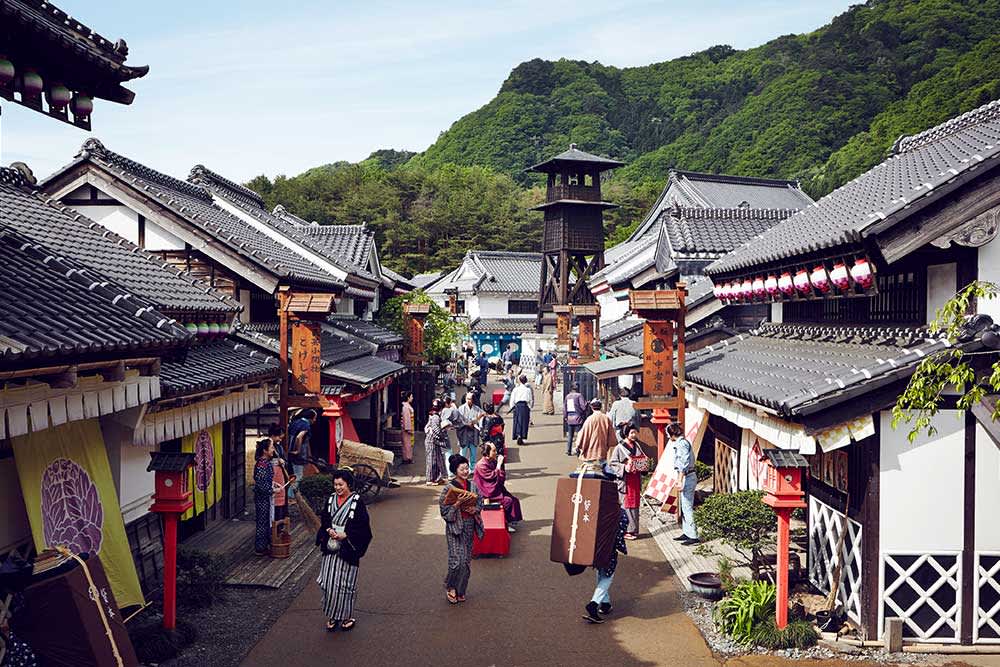
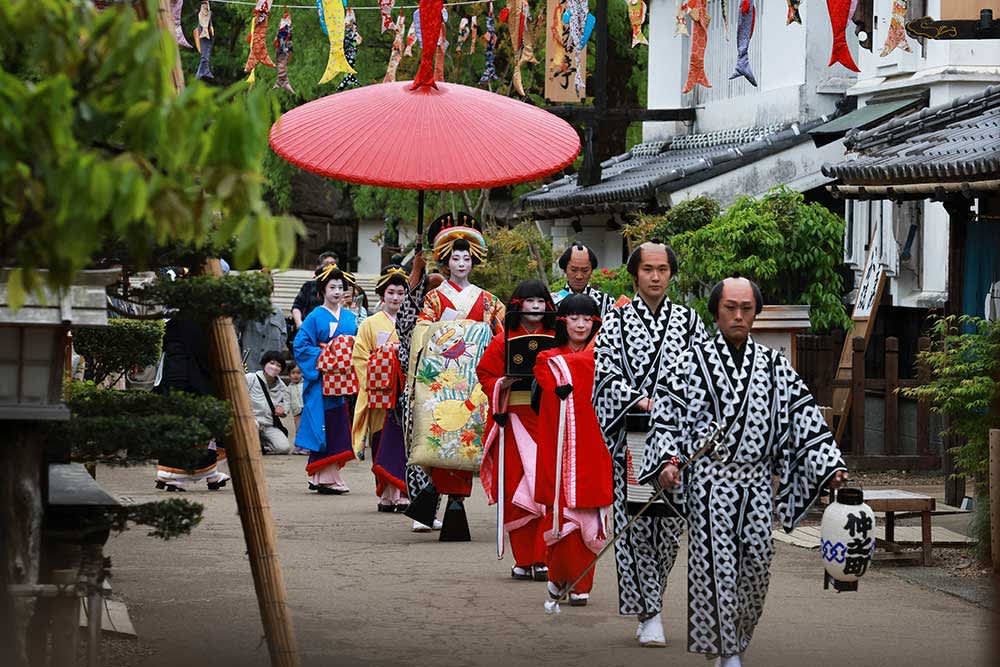
Located in Nikko City, Tochigi Prefecture, Edo Wonderland Nikko Edomura is a theme park that offers visitors an atmosphere rich in the ancient charm of the Edo period (1603–1868).

The park recreates a small town from the Edo period, featuring old wooden houses, Edo-period residents in elaborate traditional clothing, and captivating performances by ninjas that appear and disappear.


In particular, visitors can experience dressing up as a samurai, ninja, princess, or any other social class from the Edo period to explore the park.

In addition, there are training courses here to become real samurai warriors, as well as programs that provide young people the opportunity to experience various unique professions from the Edo period.


Edo Wonderland Nikko Edomura promises to be an exciting destination for visitors of all ages.


Nasu Animal Kingdom

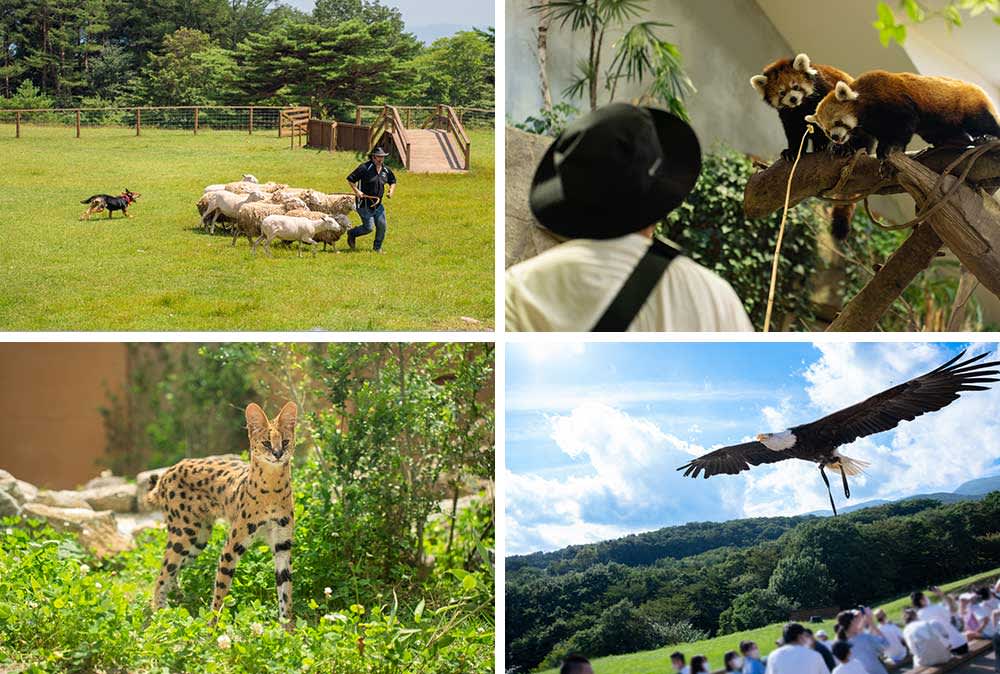
Another must-visit location that offers exciting experiences when you come to Tochigi Prefecture is the Nasu Animal Kingdom in Nasu District. This place is known for its vast nature and is home to over 600 species of animals from around the world. The kingdom is divided into two areas: an indoor section called "The Town" and an outdoor area with lush green landscapes known as "The Farm."

At this place, visitors can freely explore and admire adorable animals such as capybaras, rabbits, tigers, penguins, and other birds flying freely under the clear blue sky.


Additionally, it is known as a happy kingdom for dog lovers, as there are many areas for guests to play and interact with friendly, lovable dogs.


After hours of touring and playing with the animals, visitors can also relax and unwind in the hot spring area within the kingdom.


Experience Riding the Kuranomachi Yuransen Boat


Sitting on a boat drifting down the river and admiring a tranquil view of the city is also a highly favored experience for visitors who have the opportunity to visit Tochigi Prefecture.

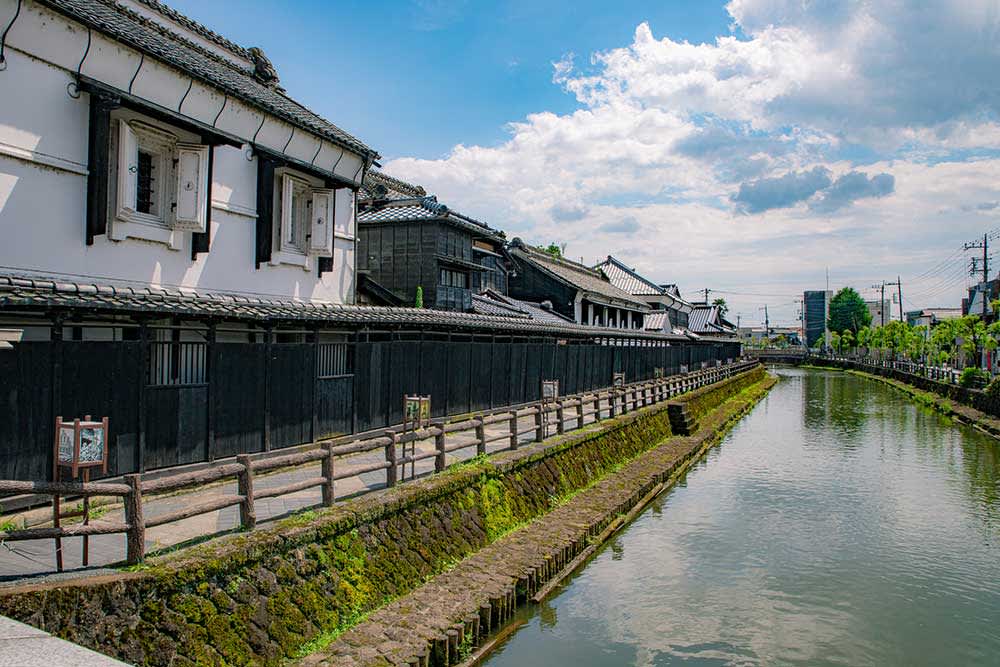
 Experience riding the Kuranomachi Yuransen boat along the Uzuma River flowing through the center of Tochigi City for about 20 minutes. Visitors will have the opportunity to see with their own eyes the scenery of traditional Edo-style houses built closely together along both banks of the river.


This location was previously a trading port of Tochigi Prefecture and is now one of the popular filming spots in the region.


Here, visitors can fully immerse themselves in the atmosphere of the Edo period while admiring the peaceful natural scenery and listening to the boat rowers recount stories of the river's history and the charm of the town. If you have the chance to visit Tochigi Prefecture, don't miss out on this gentle yet delightful experience!


Enjoying Utsunomiya Gyoza


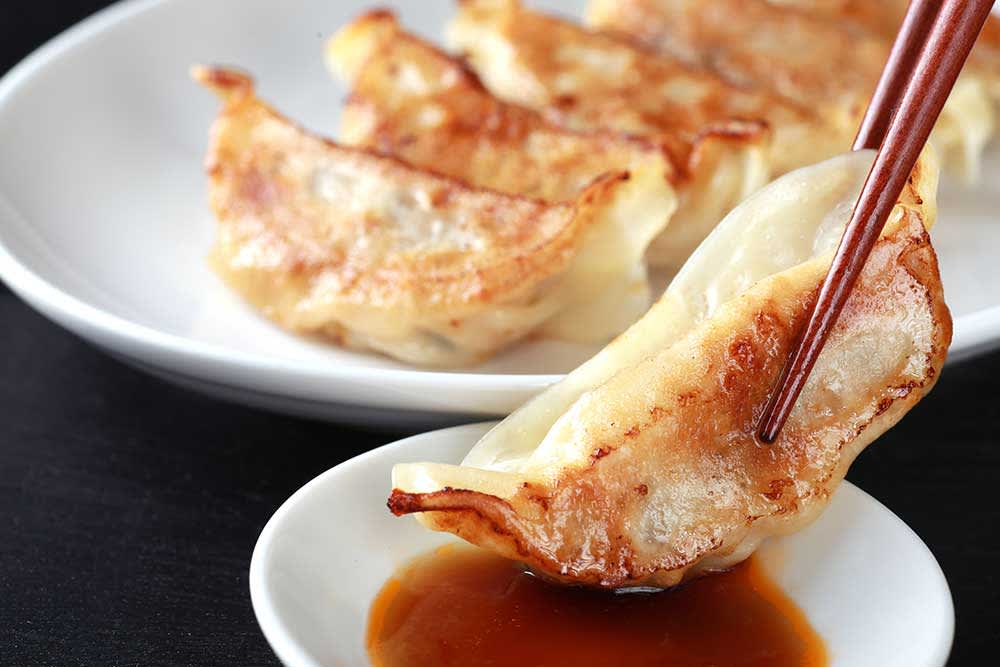
When it comes to Gyoza, the Japanese often think of Utsunomiya City in Tochigi Prefecture, which is known as Japan's "Gyoza Sanctuary."


Utsunomiya Gyoza is made from fresh ingredients such as ground pork, cabbage, leeks, green onions, and some special seasonings. The thin skin made from wheat flour creates a crispy texture when fried, while boiled versions have a chewy consistency that makes them irresistible to diners. The small size of Gyoza also allows for easy enjoyment of multiple pieces comfortably.

In Utsunomiya, there are over 300 Gyoza restaurants, mainly concentrated in the city center. From modern eateries to traditional restaurants, each place embodies local character with affordable prices and guaranteed quality.

Every year in November, Utsunomiya holds the Gyoza Festival, attracting a large number of visitors to participate and celebrate the unique culinary culture of the city. Utsunomiya Gyoza is not just a delicious dish but also an essential part of Tochigi's culinary heritage, reflecting the dedication and creativity of the local people. Let Utsunomiya Gyoza provide you with wonderful culinary memories on this trip!


Conclusion

The Diamond Route opens a door leading you to a refreshing Japan, filled with many interesting and surprising things. Each province along the route has its own distinct characteristics, from impressive tourist spots to unique experiences and rich cuisine, ensuring you won't be disappointed. 

Vivu together Min 

Book a tour with Min  Rakuten Travel 

Fly with Min Rakuten Travel

Purchase travel tickets with Min Rakuten Travel 

Choose a cozy stay with Min Rakuten  Travel

Rent a self-drive car with Min Rakuten Travel 

Cheap SIM from Rakuten Rakuten Mobile

  • 0 Comments
Older Posts Home

About Blog


Hi! I'm Paul Harrington

An adventure travel photographer, professional blogger, and digital nomad.


Hi! I'm Paul Harrington

search

Subscribe Us

Labels

Japan Sim Japan
Created with by OmTemplates | Distributed By Gooyaabi Templates