





Have you ever thought about taking a sustainable trip to Japan?
Sustainable travel is a form of tourism that utilizes local resources such as nature, culture, traditions, and people to develop the economy while aiming to protect the environment and preserve cultural heritage. Experts have predicted that sustainable tourism will be a prominent trend in the future.
Let's explore Japan through these 5 exciting sustainable travel experiences!
1. Stay Experience in the Traditional Village of Miyama, Kyoto's Ancient Capital
Miyama is a small town about two hours away from Kyoto Station by train and bus. This place still preserves the pristine landscape of Japan with ancient thatched-roof houses amid lush nature. 96% of Miyama's area is forest, so you'll breathe in the fresh air filling your lungs when you visit.


2. Enjoy green tea at Obuchi Sasaba tea farm in Shizuoka Prefecture.
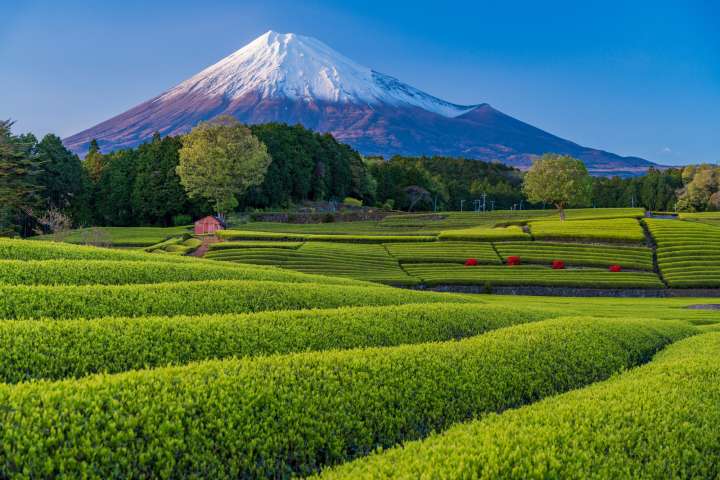


Experiencing tea brewing and tasting at Obuchi Sasaba
(Photo: ©一般社団法人 富士山観光交流ビューロー)
The tea preservation association also organizes tea leaf-picking experiences for tourists to promote the unique flavor of this famous tea and preserve the natural landscape of Obuchi Sasaba for future generations.
3, Learn about Shinto at the ancient Tsurugaoka Hachimangu shrine in Kanagawa prefecture.

Shrine of sacred deities
(Photo: ©The Tsurugaoka Hachimangu)
Tsurugaoka Hachimangu is a Shinto shrine with over 800 years of history located in Kamakura city, Kanagawa Prefecture. During the Kamakura Shogunate, Tsurugaoka Hachimangu was the starting point for the rich history and culture of Kamakura, serving as the spiritual sanctuary for its people and the homeland of the guardian deity for Kamakura and the samurai. It takes just a 10-minute walk from JR Kamakura Station or Enoden Enoshima Station to reach the shrine. The expansive shrine grounds include various areas such as the main shrine, gardens, museum exhibition areas, and resting spots...


The Yabusame horseback archery competition held in September (Photo: ©鎌倉市観光協会).

4,Cycling at the Shimanami Kaido Road in Setouchi
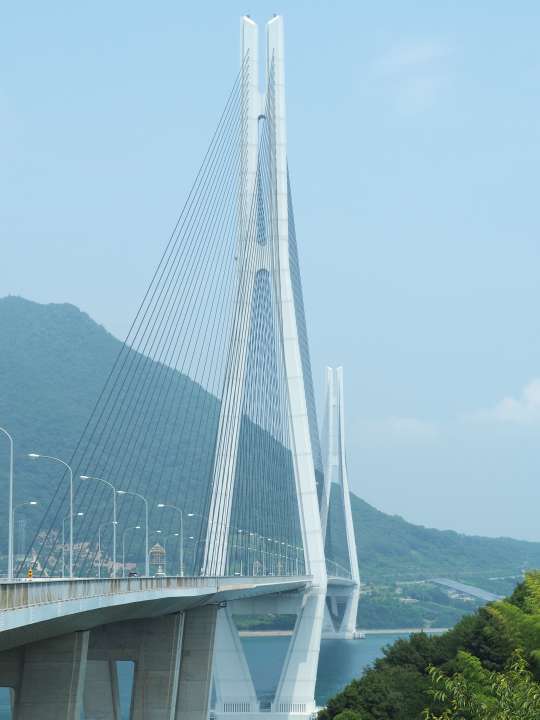
The road on the bridge crossing the strait (Photo: ©一般社団法人 尾道観光協会).
Shimanami Kaido in Setouchi is a famous cycling route that crosses Japan's first strait-spanning bridge, stretching 70km between Onomichi City and Imabari City. Along this sea route, there are 10 bike stations where tourists can rent and return bicycles.


Shimanami Kaido in Setouchi is not just a dedicated cycling route, but also a "cultural path" with many fascinating sites such as Oyamazumi Shrine, the oldest in Ehime with a 2,600-year-old camphor tree, the museum of Murakami, the Sengoku-period pirate, and Imabari Castle—one of Japan's three largest castles with moats.
Vivu together Min
Book a tour with Min Rakuten Travel
Fly with Min Rakuten Travel
Purchase travel tickets with Min Rakuten Travel
Choose a cozy stay with Min Rakuten Travel
Rent a self-drive car with Min Rakuten Travel
Cheap SIM from Rakuten Rakuten Mobile


0 comments